The Role of Typography in Web Design: Best Practices

Photo by Lisa Fotios:

When it comes to web design, typography is an essential element that often gets overlooked. Typography refers to the style, arrangement, and appearance of text on a website. It plays a crucial role in shaping the overall user experience and conveying the brand message effectively. In this article, we will explore the role of typography in web design and highlight some best practices to help you create visually appealing and readable websites.

1. Establish readability and legibility

The primary purpose of typography is to ensure that the text on your website is readable and legible. Readability refers to how easily users can comprehend the content, while legibility focuses on the clarity of individual characters. To enhance readability, consider the following:

  • Font choice: Select a font that is easy to read on different screens and sizes. Sans-serif fonts like Arial or Helvetica are commonly used for body text, while serif fonts like Times New Roman or Georgia can add a touch of elegance to headings.
  • Font size: Opt for an appropriate font size that is comfortable to read across various devices. Avoid excessively small text that strains the eyes or oversized text that disrupts the flow of content.
  • Line spacing: Ample line spacing, also known as leading, improves legibility and makes the text more breathable. Avoid overcrowded or tightly packed lines of text.
  • Contrast: Ensure sufficient contrast between the text and the background to make the content easily distinguishable. High contrast enhances readability, especially for users with visual impairments.

2. Establish hierarchy and visual hierarchy

Typography helps establish a visual hierarchy on your website, guiding users through the content and emphasizing important information. Effective hierarchy ensures that users can quickly scan and understand the structure of your webpage. Consider the following techniques:

  • Headings and subheadings: Use varying font sizes, weights, or styles to differentiate headings and subheadings. This helps users quickly identify and navigate different sections of your content.
  • Bold and italics: Use bold or italics to highlight key points, important information, or calls to action within the text. However, use them sparingly to avoid visual clutter.
  • Color: Utilize color to differentiate elements and convey meaning. For example, using a different color for hyperlinks can make them stand out and indicate interactivity.

3. Consistency and branding

Typography plays a crucial role in establishing and maintaining brand identity across your website. Consistency in font choices and styles helps create a cohesive and professional look. Consider the following:

  • Font pairing: Choose font combinations that complement each other and align with your brand’s personality. Pair a decorative or display font for headings with a more legible font for body text.
  • Font styles: Define and consistently use font styles such as font weights (e.g., bold, regular, light), font sizes, and font colors. This ensures a unified visual experience across different pages of your website.
  • Brand-specific fonts: If your brand has a specific font associated with it, consider using it in your web design to reinforce brand recognition and strengthen the overall brand identity.

4. Responsive design considerations

In the era of mobile devices, responsive web design is crucial to provide an optimal user experience across different screen sizes. Typography should adapt seamlessly to different devices and resolutions. Consider the following:

  • Fluid typography: Use relative units like percentages or ems instead of fixed pixel values for font sizes. This allows the text to scale proportionally with the screen size.
  • Breakpoints: Define specific font sizes or styles for different screen sizes using media queries. This ensures that the text remains readable and visually appealing across various devices.

5. Test and optimize


Lastly, testing and optimization are essential steps in ensuring that your typography choices work well for your target audience. Conduct user testing and gather feedback to identify any readability issues or areas for improvement. Pay attention to how users navigate and interact with the text on your website. Consider factors such as reading speed, comprehension, and overall user satisfaction. Based on the feedback received, make necessary adjustments to typography choices, font sizes, or styles to optimize the user experience.

Typography is a critical aspect of web design that should not be overlooked. By following best practices for typography, you can create a visually appealing, readable, and engaging website. Focus on establishing readability and legibility, creating a clear hierarchy, maintaining consistency with your brand, considering responsive design, and testing and optimizing for the best user experience. Remember that typography is not just about selecting fonts; it’s about using them strategically to enhance the overall design and effectively communicate your brand’s message. With careful attention to typography, you can elevate your web design and leave a lasting impression on your website visitors.

Generated by Chat GPT

Choosing the Right Color Palette for Your Website

Photo by Caio

When it comes to designing a website, color plays a vital role in creating a visually appealing and engaging user experience. The right color palette can convey your brand’s personality, evoke emotions, and improve overall usability. However, selecting the perfect color scheme can be a daunting task. In this article, we will explore some key considerations to help you choose the right color palette for your website.

1. Understand your brand and target audience

Before diving into color selection, it is crucial to have a clear understanding of your brand identity and target audience. Consider the values, mission, and personality of your brand. Are you aiming for a professional, corporate look or a playful and vibrant atmosphere? Understanding your target audience will also influence your color choices. Different age groups, cultures, and industries may respond differently to colors. For example, vibrant and bold colors may appeal to a younger audience, while a more subdued palette might be better suited for a professional audience.

2. Use color psychology to your advantage

Colors have the power to evoke certain emotions and associations. By utilizing color psychology, you can create a website that resonates with your visitors on a deeper level. Here are a few examples:

  • Blue: Associated with trust, security, and stability. Often used by businesses to establish credibility.
  • Red: Represents energy, passion, and urgency. It can be attention-grabbing and is often used for calls to action.
  • Green: Symbolizes growth, nature, and health. Often used by eco-friendly or organic brands.
  • Yellow: Associated with optimism, happiness, and creativity. It can be attention-grabbing, but should be used sparingly.
  • Black: Signifies power, elegance, and sophistication. Often used in luxury brands or to create a modern aesthetic.

3. Consider color harmony and contrast

When selecting a color palette, it’s important to consider both harmony and contrast. Harmonious colors create a visually pleasing and balanced experience, while contrast helps guide users’ attention and improves readability. You can achieve color harmony by selecting colors that are adjacent on the color wheel, such as analogous or monochromatic schemes. Contrast, on the other hand, can be achieved by pairing colors that are opposite each other on the color wheel, such as complementary or split-complementary schemes.

4. Limit your color choices

While it may be tempting to incorporate a wide range of colors into your website, it’s generally best to limit your color palette to a few main colors. Too many colors can lead to a visually overwhelming experience and may dilute your brand identity. A good rule of thumb is to choose a primary color that represents your brand, one or two complementary colors to support the primary color, and one or two neutral colors for backgrounds or text.

5. Test accessibility and readability

Accessibility is a critical aspect of web design. Ensure that your color palette meets accessibility guidelines, especially in terms of contrast. Low contrast between text and background can make it difficult for users with visual impairments to read your content. Tools such as the Web Content Accessibility Guidelines (WCAG) can help you determine if your color choices meet the required standards.

6. Draw inspiration from reputable sources

If you’re struggling to find the right color palette, draw inspiration from reputable sources. Look at successful websites in your industry or explore color palette websites that curate combinations. Pinterest, Dribbble, and Behance are excellent platforms to discover color schemes that resonate with your brand.

7. Test and iterate

Lastly, don’t be afraid to experiment and iterate on your color choices. Create mockups or prototypes to visualize how the colors work together in the context of your website. Test the design with real users and gather feedback to refine your color palette if necessary.

Choosing the right color palette for your website is a crucial aspect of creating a visually appealing and effective online presence. By understanding your brand, target audience, and utilizing color psychology, you can select colors that resonate with your visitors and enhance their user experience. Consider color harmony and contrast to create a balanced and engaging design. Limit your color choices to a few main colors to maintain brand identity and avoid overwhelming visuals. Ensure accessibility and readability by testing your color palette for contrast and compliance with accessibility guidelines. Seek inspiration from reputable sources and don’t hesitate to test and iterate on your design. With careful consideration and experimentation, you can create a color palette that captivates your audience, strengthens your brand identity, and leaves a lasting impression.

Generated by ChatGPT

Creating a Compelling Website: Tips for Captivating Visitors

Photo by Pixabay

In today’s digital era, a compelling website is essential for capturing the attention and engaging the visitors. With countless websites competing for users’ time and attention, it’s crucial to create a website that stands out and leaves a lasting impression. In this article, we will explore effective tips for creating a compelling website that captivates visitors and keeps them coming back for more.

1. Define Your Target Audience:

Before diving into website design, it’s vital to clearly define your target audience. Understanding their needs, preferences, and behaviors will help you tailor your website content, layout, and design to resonate with them. Conduct market research, analyze competitor websites, and create buyer personas to gain insights into your target audience and deliver a more personalized and relevant user experience.

2. Clear and Engaging Messaging:

A compelling website starts with clear and engaging messaging. Craft concise and compelling headlines, taglines, and value propositions that instantly communicate what your website offers and why visitors should stay. Use persuasive language and highlight the unique benefits of your products or services to captivate and convince visitors to explore further.

3. Intuitive Navigation:

User-friendly and intuitive navigation is crucial for keeping visitors engaged. A well-structured and organized navigation menu helps users find information effortlessly. Use descriptive labels, limit the number of menu items, and consider incorporating a search function to enhance usability and ensure that visitors can easily navigate through your website.

4. Eye-Catching Visual Design:

Visual design plays a significant role in captivating visitors. Choose a visually appealing color scheme that aligns with your brand identity and evokes the desired emotions. Utilize high-quality images, videos, and graphics that are relevant to your content and visually engaging. Consistency in design elements, such as fonts, spacing, and imagery, creates a cohesive and professional look.

5. Compelling and Relevant Content:

Content is king when it comes to captivating visitors. Create compelling and relevant content that addresses the pain points, questions, and interests of your target audience. Use a conversational tone, break content into easily scannable sections, and incorporate headings, subheadings, and bullet points to improve readability. Infuse your content with storytelling elements to create an emotional connection with visitors.

6. Call-to-Action (CTA) Placement:

Strategically placing compelling call-to-action buttons throughout your website is crucial for driving visitor engagement. Whether it’s a “Buy Now” button, a “Sign Up” form, or a “Learn More” link, make sure your CTAs stand out and are placed prominently. Use contrasting colors and compelling language to entice visitors to take the desired actions.

7. Mobile Responsiveness:

With the increasing use of mobile devices, optimizing your website for mobile responsiveness is vital. Ensure that your website design adapts seamlessly to different screen sizes and resolutions, providing an optimized experience for mobile users. A mobile-friendly website improves user experience, increases accessibility, and boosts your search engine rankings.

8. Loading Speed Optimization:

In today’s fast-paced digital world, visitors have little patience for slow-loading websites. Optimize your website’s loading speed by compressing images, minifying code, and utilizing caching techniques. A fast-loading website not only enhances user experience but also improves search engine rankings and reduces bounce rates.

9. Social Proof and Testimonials:

Including social proof and testimonials on your website helps build trust and credibility. Display positive reviews, testimonials, and case studies from satisfied customers to showcase the value and quality of your products or services. Incorporate social media widgets or badges to highlight your social media following and engagement, further reinforcing your brand’s trustworthiness.

10. Regular Updates and Maintenance:

A compelling website requires regular updates and maintenance. Keep your content fresh and up to date, and regularly audit your website for broken links or outdated information. Update your design periodically to stay current with the latest trends and technologies. Implementing regular maintenance ensures that your website remains relevant, functional, and captivating to visitors.

11. Engage with Multimedia:

Engaging visitors through multimedia elements can significantly enhance the user experience. Incorporate interactive elements such as sliders, image galleries, videos, or audio clips to make your content more dynamic and engaging. However, be mindful of not overwhelming the page with excessive multimedia, as it can negatively impact loading speed and distract from the main message.

12. Easy Contact and Communication:

Make it easy for visitors to contact you and engage in communication. Provide clear and visible contact information, including phone numbers, email addresses, and social media handles. Consider incorporating live chat features or chatbots to provide real-time support and address visitors’ queries promptly.

13. Utilize White Space:

White space, or negative space, refers to the empty spaces between design elements. Embracing white space in your website design helps create a clean and uncluttered layout that enhances readability and visual appeal. It allows important elements to stand out and improves the overall user experience.

14. Incorporate Storytelling Elements:

Storytelling is a powerful tool for captivating visitors and creating an emotional connection. Incorporate storytelling elements into your website’s content, imagery, and design. Use narratives, customer success stories, or case studies to engage visitors and convey the value and impact of your products or services.

15. Implement Social Sharing Buttons:

Make it easy for visitors to share your content by incorporating social sharing buttons. This allows visitors to promote your website and its content on their social media channels, increasing your reach and exposure. Additionally, social sharing buttons encourage user engagement and enable visitors to become brand advocates.

16. User Feedback and Surveys:

Gathering user feedback is invaluable for understanding visitors’ experiences and improving your website. Implement user feedback mechanisms such as surveys, polls, or comment sections to encourage visitors to share their thoughts. Use the feedback to make informed decisions about website improvements and address any pain points or issues that visitors may encounter.

17. A/B Testing:

Experimentation through A/B testing can help optimize your website’s performance and user engagement. Test different variations of elements such as headlines, colors, layouts, or CTAs to determine which version resonates best with your audience. A/B testing provides valuable insights and data-driven decision-making to continuously improve your website’s effectiveness.

18. Optimize for Search Engines:

Search engine optimization (SEO) is essential for driving organic traffic to your website. Optimize your website’s content, metadata, and structure to improve its visibility in search engine results. By appearing higher in search rankings, you increase the chances of capturing the attention of potential visitors and captivating them with your compelling website.

Creating a compelling website requires a thoughtful combination of design, content, and user experience. By implementing these tips, you can captivate visitors and create a memorable online presence. Remember to understand your target audience, craft engaging messaging, optimize for mobile responsiveness and loading speed, and regularly update your content. Incorporate multimedia, storytelling elements, and social proof to enhance engagement and trust. Embrace user feedback, conduct A/B testing, and optimize for search engines to continuously improve your website’s performance. By following these tips, you’ll be well on your way to captivating visitors and achieving your online goals.

Generated by Chat GPT

Top Web Design Trends to Watch in 2023

Photo by Pixabay

As the digital landscape continues to evolve, web design trends play a crucial role in shaping the aesthetics and functionality of websites. Staying up to date with the latest design trends not only keeps your website visually appealing but also enhances the user experience and keeps you ahead of the competition. In this article, we will explore the top web design trends to watch in 2023 that are poised to make a significant impact in the online world.

1. Dark Mode:

Dark mode has gained immense popularity in recent years and is set to continue its rise in 2023. This design trend offers a sleek and modern aesthetic, reduces eye strain in low-light environments, and conserves device battery life. Implementing dark mode can give your website a sophisticated look and appeal to users who prefer a darker color scheme.

2. Neumorphism:

Neumorphism is a design trend that combines elements of skeuomorphism and flat design, resulting in a soft, three-dimensional appearance. It involves using subtle shadows, highlights, and gradients to create realistic and tactile elements. Neumorphism adds depth and visual interest to user interfaces, creating a unique and engaging experience.

3. Minimalism and Simplified Layouts:

Minimalism continues to be a dominant trend in web design. Simplified layouts with ample white space and clean typography create a focused and clutter-free experience. Minimalistic designs emphasize essential elements, improve readability, and provide a sense of elegance and sophistication.

4. Bold and Vibrant Colors:

Bold and vibrant color schemes are gaining popularity as web designers experiment with eye-catching and attention-grabbing combinations. Vibrant colors can evoke emotions, create contrast, and make elements stand out. Color gradients and duotone effects are also being used to add depth and visual interest to website designs.

5. Microinteractions:

Microinteractions are small, subtle animations or interactive elements that provide feedback and enhance user engagement. They can be as simple as a button animation or as complex as a progress bar. Microinteractions add personality and interactivity to a website, making the user experience more enjoyable and immersive.

6. Custom Illustrations and Graphics:

To create a unique and memorable brand identity, many websites are incorporating custom illustrations and graphics. These bespoke visuals not only add a personal touch but also help communicate complex ideas or messages in a visually appealing and accessible manner. Custom illustrations can differentiate your website from competitors and make it more memorable to users.

7. Augmented Reality (AR) and Virtual Reality (VR) Integration:

As AR and VR technologies continue to advance, integrating these immersive experiences into web design is becoming more feasible and popular. AR and VR elements can enhance product demonstrations, create interactive storytelling experiences, and provide unique and engaging content for users.

8. Scroll-triggered Animations:

Scroll-triggered animations add dynamism to web pages by animating elements as the user scrolls through the content. These animations can be used to reveal content, provide visual cues, or simply add a touch of delight to the user experience. Carefully implemented scroll-triggered animations can captivate users and make the website feel more interactive.

9. Voice User Interface (VUI):

With the increasing prevalence of voice-controlled smart devices, integrating voice user interfaces into web design is gaining traction. VUI allows users to interact with websites through voice commands, providing a hands-free and convenient experience. Incorporating VUI can improve accessibility, speed up navigation, and offer a more natural interaction method.

10. Data Visualization:

As data becomes more prevalent in various industries, effectively visualizing data on websites is becoming essential. Interactive and visually appealing data visualizations, such as charts, graphs, and infographics, can make complex information more understandable and engaging for users. Data visualization techniques allow users to explore and interpret data in a more interactive and intuitive way, enhancing the overall user experience.

Web design trends are ever-evolving, and staying informed about the latest developments is crucial for creating visually appealing and engaging websites. In 2023, we can expect to see the rise of dark mode, neumorphism, minimalism, bold and vibrant colors, microinteractions, custom illustrations, AR and VR integration, scroll-triggered animations, VUI, and data visualization.

Generated by Chat GPT

The Importance of User Experience (UX) in Web Design

Photo by cottonbro studio:

In the digital age, where users have countless options at their fingertips, providing an exceptional user experience (UX) has become crucial for the success of any website. User experience encompasses the overall satisfaction and enjoyment a visitor derives from interacting with a website. In this article, we will explore the importance of user experience in web design and discuss the benefits of prioritizing UX in creating effective and successful websites.

1. Positive First Impressions:

The user’s first impression of a website sets the tone for their entire experience. Within seconds, users form judgments about a website based on its visual appeal, layout, and ease of navigation. By focusing on UX, web designers can create visually engaging and intuitive interfaces that capture the attention of visitors and encourage them to explore further.

2. Enhanced Usability:

Usability is a key component of user experience. A website should be designed in a way that allows users to easily and intuitively navigate through its pages, find the information they seek, and complete desired actions. By prioritizing usability, web designers can streamline the user journey, reducing friction and enhancing overall satisfaction.

3. Increased User Engagement:

A positive user experience leads to increased user engagement. When visitors find a website easy to use, visually appealing, and informative, they are more likely to spend more time on the site, interact with its content, and return for future visits. Engaged users are more likely to convert into customers, subscribers, or active participants in a website’s community.

4. Boosted Conversions and Sales:

User experience plays a pivotal role in driving conversions and sales. A well-designed website guides users seamlessly through the conversion funnel, making it easy for them to take desired actions, such as making a purchase, filling out a form, or signing up for a newsletter. By removing obstacles, optimizing call-to-actions, and creating a frictionless experience, web designers can significantly improve conversion rates and increase revenue.

5. Customer Satisfaction and Loyalty:

Delivering a positive user experience fosters customer satisfaction and loyalty. When users have a seamless and enjoyable experience on a website, they are more likely to trust the brand, recommend it to others, and become repeat customers. Satisfied customers are also more forgiving of occasional shortcomings, as their overall experience remains positive.

6. Mobile-Friendly Experience:

In the era of mobile dominance, ensuring a seamless experience across devices is vital. With a responsive design that prioritizes user experience, websites can adapt to different screen sizes and resolutions, providing an optimized experience on smartphones, tablets, and desktops. Mobile-friendly websites not only cater to a larger audience but also improve search engine rankings, as mobile-friendliness is a key factor in search algorithms.

7. Competitive Advantage:

In today’s crowded digital landscape, standing out from the competition is crucial. A well-designed website that prioritizes user experience can be a significant differentiator. By understanding user needs, preferences, and pain points, web designers can create unique experiences that set a website apart from competitors. Offering an exceptional user experience can become a key selling point and attract and retain more users.

8. Data-Driven Improvements:

UX-focused web design is an iterative process that involves continuous improvement. By analyzing user behavior, feedback, and data, web designers can identify areas for enhancement and optimize the website accordingly. Gathering insights from analytics, heatmaps, and user testing enables designers to make data-driven decisions, refine the user experience, and align the website with user expectations.

User experience is at the core of effective web design. By prioritizing UX, web designers can create websites that leave a lasting positive impression, enhance usability, boost engagement and conversions, and foster customer satisfaction and loyalty. In today’s competitive digital landscape, delivering an exceptional user experience is no longer optional but essential for success. It not only sets a website apart from the competition but also establishes a strong brand reputation and fosters long-term customer relationships.

Responsive Web Design: Optimizing for All Devices

Photo by Marcelo Chagas

In today’s digital era, the proliferation of various devices, from smartphones and tablets to laptops and desktops, has revolutionized how we access and interact with websites. As a result, responsive web design has become an essential practice for creating websites that adapt seamlessly to different screen sizes and resolutions. In this article, we will explore the concept of responsive web design and discuss the key strategies and benefits of optimizing websites for all devices.

Understanding Responsive Web Design:

Responsive web design is an approach to web development that aims to provide an optimal viewing experience across a wide range of devices. Instead of creating separate websites for different devices, responsive design employs flexible layouts, fluid grids, and media queries to automatically adjust the layout and content of a website to fit the screen it is being viewed on.

Key Strategies for Responsive Web Design:

1. Fluid Grids:

One of the core components of responsive design is the use of fluid grids. Unlike fixed layouts, fluid grids allow website elements to resize proportionally based on the screen size. This ensures that the website maintains its structure and readability regardless of the device being used. By employing relative units such as percentages instead of fixed pixel values, designers can create flexible layouts that adapt to different screen sizes.

2. Flexible Images and Media:

In addition to fluid grids, responsive web design necessitates the use of flexible images and media. Large, high-resolution images that look great on a desktop may be too large and slow to load on a mobile device. By utilizing CSS techniques, such as setting max-width properties or using media queries, images and media elements can scale down or change their dimensions according to the screen size. This helps improve loading times and overall user experience.

3. Media Queries:

Media queries are a fundamental aspect of responsive design. They allow designers to apply different styles and rules based on specific screen sizes or device capabilities. By using media queries, web developers can create breakpoints at which the layout and design of a website adjust to accommodate different devices. This ensures that content is displayed in an optimized manner, regardless of the screen size.

4. Mobile-First Approach:

A mobile-first approach is a responsive design strategy that prioritizes the development of a website for mobile devices before adapting it for larger screens. As mobile usage continues to rise, designing with mobile in mind ensures that the most critical content and functionality are accessible and optimized for smaller screens. It also encourages simplicity and forces designers to prioritize essential elements.

Benefits of Responsive Web Design:

1. Enhanced User Experience:

Responsive web design creates a consistent and user-friendly experience across all devices. Users can easily navigate and interact with the website, regardless of whether they are using a smartphone, tablet, or desktop. By providing a seamless experience, responsive design increases user engagement and reduces bounce rates.

2. Improved SEO:

Search engines, like Google, prioritize responsive websites in their search results. With a single URL and consistent content across all devices, responsive design eliminates the need for duplicate content or separate mobile websites. This improves search engine optimization (SEO) efforts and helps websites rank higher in search engine results pages (SERPs).

3. Cost and Time Efficiency:

Creating a separate website for each device can be time-consuming and costly. Responsive design eliminates the need for multiple websites or specialized versions, allowing businesses and designers to focus on a single website that works well across all devices. This saves development time and maintenance costs in the long run.

4. Future-Proofing:

As new devices with varying screen sizes and resolutions continue to emerge, responsive design ensures that your website remains accessible and visually appealing to users. By embracing responsive design principles, you future-proof your website, ensuring that it can adapt and accommodate new devices without the need for significant redesigns.

In today’s multi-device landscape, responsive web design has become a necessity rather than a luxury. Optimizing your website for all devices through responsive design ensures a seamless and consistent user experience, improves SEO, saves time and costs, and future-proofs your online presence.

By employing strategies such as fluid grids, flexible images and media, media queries, and adopting a mobile-first approach, you can create a website that effortlessly adapts to different screen sizes and resolutions. This adaptability enhances user experience, allowing visitors to navigate and interact with your website easily, regardless of the device they are using.

Generated by Chat GPT

10 Essential Principles of Effective Web Design

Photo by Kaboompics .com

In today’s digital age, having an effective web design is crucial for any business or individual seeking an online presence. A well-designed website not only attracts visitors but also engages and converts them into loyal customers. To achieve this, there are key principles that web designers must adhere to. In this article, we will explore the 10 essential principles of effective web design that can elevate your website to new heights.

1. Purposeful and Clear Layout:

A successful website begins with a purposeful and clear layout. Users should be able to quickly understand the structure and navigate through your site. Use a logical hierarchy and organize content in a visually appealing manner. Employ intuitive navigation menus and make important information easily accessible.

2. Responsive Design:

With the ever-increasing use of mobile devices, responsive design is no longer an option but a necessity. Your website must adapt seamlessly to different screen sizes and resolutions, providing an optimal user experience across devices. This ensures that visitors can access your content on smartphones, tablets, or desktops without any issues.

3. Consistent Branding:

Maintaining consistent branding throughout your website is essential for creating a strong and memorable online presence. Ensure that your logo, colors, fonts, and overall design elements align with your brand identity. Consistency builds trust and helps visitors recognize and remember your brand easily.

4. Clear Call-to-Actions (CTAs):

Effective web design incorporates clear and prominent call-to-actions (CTAs) strategically placed throughout the site. Whether it’s signing up for a newsletter, making a purchase, or contacting you, CTAs guide visitors toward desired actions. Use contrasting colors, persuasive language, and compelling visuals to make your CTAs stand out.

5. Engaging and Relevant Content:

Content is king, even in web design. Engaging and relevant content keeps visitors interested and encourages them to explore further. Use concise and persuasive copy, complemented by high-quality visuals. Incorporate multimedia elements such as images, videos, and infographics to enhance user engagement.

6. Fast Loading Speed:

In today’s fast-paced world, users expect websites to load quickly. Slow-loading sites lead to frustration and high bounce rates. Optimize your website by minimizing file sizes, leveraging caching techniques, and choosing a reliable hosting provider. Regularly test your site’s loading speed and make necessary optimizations to ensure a smooth user experience.

7. User-Friendly Navigation:

Intuitive and user-friendly navigation is a fundamental aspect of effective web design. Visitors should easily find the information they are looking for. Use descriptive labels for menus and ensure that the navigation structure is logical and consistent across all pages. Implement breadcrumbs and search functionalities to assist users in finding specific content.

8. Visual Hierarchy:

Visual hierarchy refers to the arrangement and prioritization of elements on a web page. Use size, color, spacing, and typography to guide users’ attention and convey the relative importance of different elements. This helps users quickly scan the page and understand its content hierarchy.

9. Accessibility:

An inclusive web design considers accessibility for all users, including those with disabilities. Ensure your website meets accessibility standards by providing alternative text for images, using descriptive headings, and implementing keyboard navigation options. By making your site accessible, you enhance the user experience for a wider audience.

10. Continuous Optimization:

Web design is an ongoing process. Continuously analyze user behavior, gather feedback, and leverage data to optimize your website. Use tools like heatmaps, A/B testing, and user surveys to understand user preferences and identify areas for improvement. Regularly update and enhance your website to stay ahead of the competition.

Effective web design goes beyond aesthetics; it encompasses a holistic approach that considers usability, functionality, and user experience. By following these 10 essential principles, you can create awebsite that not only looks visually appealing but also engages and converts visitors. Remember to prioritize purposeful and clear layout, responsive design, consistent branding, clear call-to-actions, engaging and relevant content, fast loading speed, user-friendly navigation, visual hierarchy, accessibility, and continuous optimization.

By adhering to these principles, you can enhance the user experience, build brand credibility, and drive the desired actions on your website. Remember that effective web design is an ongoing process, requiring constant evaluation, refinement, and adaptation to meet the evolving needs of your target audience.

Investing in a well-designed website will undoubtedly yield long-term benefits for your business or personal brand. So, take the time to carefully plan and implement these essential principles, and watch your website become a powerful tool for success in the digital landscape.

Generated by Chat GPT

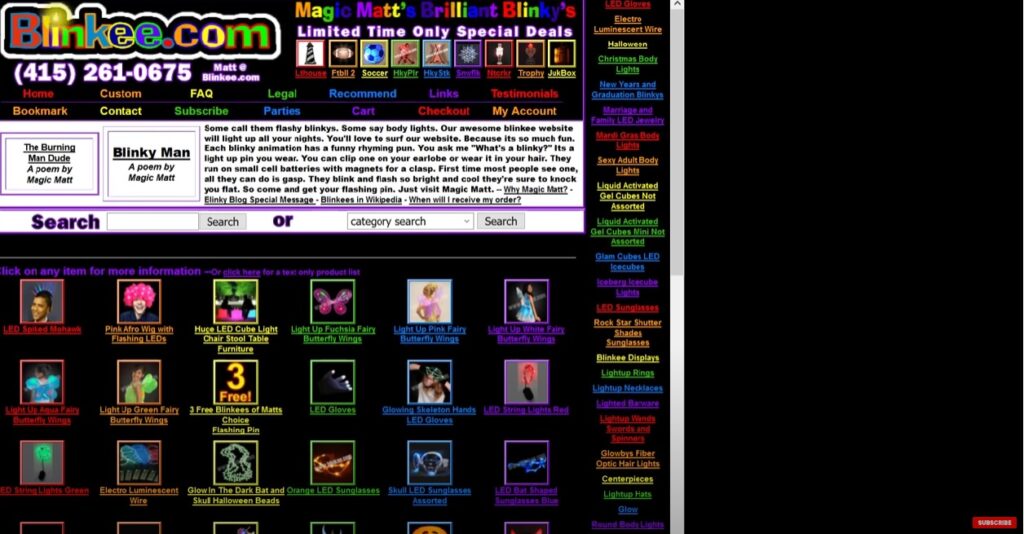
What Makes A Website Design Bad?

A website design that is bad can be detrimental to a business, as it can drive away potential customers and negatively impact the overall online presence. Some key factors that make a website design bad include:

1. Poor Navigation: A website with poor navigation can be confusing and difficult for users to navigate, which can lead to frustration and a high bounce rate. Navigation should be intuitive and easy to understand, allowing users to find what they are looking for quickly and easily.

2. Slow Loading Times: Websites that take too long to load can be a major turn off for users. This is especially true for those using mobile devices, as slow load times can quickly drain a device’s battery. To ensure a fast loading website, it is important to optimize images and use a reliable hosting solution.

3. Poor Mobile Optimization: With more and more users accessing the internet on mobile devices, it is important for websites to be optimized for these devices. A website that is not optimized for mobile can be difficult to use and may not display correctly, leading to a poor user experience.

4. Cluttered Design: A cluttered design can be overwhelming for users, making it difficult for them to find what they are looking for. A cluttered design can also make a website look unprofessional, which can negatively impact the perceived credibility of a business.

5. Unappealing Aesthetics: The aesthetics of a website are important, as they can impact how users perceive a business. A website with unappealing aesthetics, such as a poor color scheme or low-quality images, can make a business look unprofessional and may turn off potential customers.

6. Poor Content: Content is king, and a website with poor content can be a major turn off for users. It is important for the content on a website to be high-quality, relevant, and engaging. Poor content can also negatively impact search engine optimization, making it more difficult for a website to rank well in search results.

7. Outdated Technology: Using outdated technology can make a website look unprofessional and can also impact its functionality. It is important to use the latest technology to ensure a website is modern and easy to use.

8. Lack of security: A website that is not secure can be vulnerable to hacking and other forms of cybercrime. A website design should include measures to protect user data and ensure the security of the site.

In order to have a successful website, it’s important to avoid certain design elements that can detract from the user experience. Some of the most common issues with bad website design include poor navigation, a cluttered layout, slow loading times, and a lack of mobile responsiveness.

A bad website design can have significant negative consequences for a business, including poor user experience, low search engine rankings, and decreased credibility. To ensure a successful website, it is important to invest in a well-designed and properly optimized website that provides value to users and protects sensitive information.

https://www.youtube.com/watch?v=S-AGE8rDs3Q

Does Website Design Affect SEO?

Photo by Ketut Subiyanto

Website design and Search Engine Optimization (SEO) are two important aspects of creating an online presence for a business. While website design focuses on the visual appeal and user experience of a website, SEO focuses on making a website rank higher in search engines such as Google, Bing, and Yahoo. Both website design and SEO are crucial for the success of a website, and they are interrelated. In this article, we’ll explore how website design affects SEO and what you can do to ensure that your website design supports your SEO efforts.

First, it’s important to understand the role of website design in SEO. A well-designed website can help to create a positive user experience and provide a better first impression for visitors. A website that is visually appealing and easy to navigate can also keep visitors on the site for longer, which can positively impact the website’s search engine ranking.

However, website design can also have a negative impact on SEO if it is not done correctly. For example, using Flash or other technologies that search engines cannot easily crawl can negatively impact the website’s ranking. Similarly, having a website with a slow load time or broken links can also negatively impact SEO.

To ensure that website design supports SEO, it’s important to keep the following in mind:

Mobile-friendliness: With the increasing use of mobile devices, it’s essential that your website is optimized for mobile. This includes having a responsive design that adjusts to different screen sizes, as well as ensuring that the website loads quickly on mobile devices.

Navigation: A website with a clear and easy-to-use navigation structure can help both visitors and search engines to find the information they are looking for. A well-structured navigation system can also help search engines to understand the relationships between the different pages on your website.

Content: A website with high-quality and relevant content can help to improve its search engine ranking. Content should be well-written, engaging, and provide value to the reader. It’s also important to ensure that the content is properly optimized for search engines, including using keywords and meta descriptions.

URL structure: The URL structure of a website can have a big impact on SEO. It’s important to use descriptive and keyword-rich URLs, as well as to ensure that the URLs are easy to understand and remember.

Loading speed: A website with a slow load time can negatively impact both user experience and search engine ranking. It’s important to ensure that your website loads quickly, including optimizing images and other media files.

Site structure: A well-structured site with a clear hierarchy and logical organization can make it easier for search engines to understand the content on the site and rank it accordingly.

Keywords: Keywords are an important factor in SEO, so it is important to ensure that the site’s content includes relevant keywords that accurately reflect the site’s topic and target audience.

Header tags: Header tags (H1, H2, H3, etc.) are used to structure the content on a page, and they also provide context to search engines about the importance of different sections of the page.

Site speed: Site speed is an important factor in both user experience and SEO, as slow-loading pages can result in a high bounce rate and negatively impact search engine rankings.

Mobile responsiveness: With the increasing use of mobile devices to access the internet, it is important to ensure that the site is mobile-friendly and responsive, as search engines favor sites that provide a good user experience on all devices.

Yes, website design can have a significant impact on search engine optimization (SEO). A well-designed website with a strong structure and clear navigation can make it easier for search engines to crawl and index the site’s content, which can improve its visibility and ranking in search engine results pages (SERPs).

A well-designed website is essential for a business to succeed in the digital world. Not only does it provide a great user experience, but it also plays a significant role in search engine optimization (SEO). A website’s design can have a direct impact on its SEO and search engine ranking, which can affect its visibility and credibility.

Search engines, such as Google, use complex algorithms to determine the relevance and quality of a website. The design of a website is one of the factors that search engines take into consideration when ranking websites. A well-designed website with a clear structure and user-friendly interface can make it easier for search engines to crawl and index the site, which can improve its ranking.

Website design also plays a role in determining the user experience, which is another important factor that search engines consider. A website that is visually appealing and easy to navigate can keep visitors on the site for longer, which can improve the bounce rate and increase the time on site. This can help to improve the website’s ranking, as search engines consider user experience as a factor in their ranking algorithms.

In addition to improving SEO, a well-designed website can also have a positive impact on a business’s overall digital marketing efforts. A website is often the first touchpoint between a business and potential customers, and it is crucial for it to make a good first impression. A well-designed website can help to establish credibility and trust with potential customers, which can lead to increased conversions and sales.

Website design and SEO are both important for the success of a website. A well-designed website can help to create a positive user experience, which can positively impact the website’s search engine ranking. However, website design can also have a negative impact on SEO if it is not done correctly. By keeping the above points in mind, you can ensure that your website design supports your SEO efforts and helps to improve your website’s search engine ranking.

Why Is Web Design Important?

Photo by fauxels

Web design is an important aspect of creating a successful website, as it plays a crucial role in determining the success of your online presence. Web design encompasses a wide range of factors, including layout, color scheme, typography, images, and more, and it is essential to get it right if you want to achieve your goals and objectives online.

One of the main reasons why web design is so important is that it is the first thing that a user will see when they visit your website. First impressions are crucial, and a well-designed website will immediately grab the user’s attention, create a positive impression, and encourage them to stay and explore your website further. A poorly designed website, on the other hand, can turn users away and lead to decreased engagement, reduced conversions, and ultimately, a failure to achieve your goals and objectives online.

Another important reason why web design is crucial is that it can impact your search engine ranking. Search engines, such as Google, use a variety of factors to determine the ranking of websites in their search results, and a well-designed website can help you improve your search engine ranking and reach a wider audience. A website that is optimized for search engines, is easy to navigate, and provides a positive user experience, will not only help you rank higher in search results, but it will also encourage users to engage with your website, and ultimately, drive more conversions.

In addition to improving search engine ranking, web design can also impact user engagement. A well-designed website should be easy to navigate, intuitive, and provide a positive user experience, which will help increase engagement, reduce bounce rates, and ultimately drive more conversions. This is because users are more likely to stay on a website and explore it further if they are able to find what they are looking for quickly and easily, and if they have a positive experience while doing so.

Moreover, web design can also impact your brand image and reputation. Your website is often the first point of contact that people have with your brand, and it can have a significant impact on how they perceive your brand and the products or services that you offer. A well-designed website that is professional, engaging, and consistent with your brand image and messaging can help you build a strong and lasting relationship with your customers, while a poorly designed website can damage your brand reputation and turn potential customers away.

In addition to the reasons outlined above, web design is also essential for accessibility and user experience. A well-designed website should be accessible to everyone, including people with disabilities, and should be designed with the user in mind. This means that the website should be easy to use, navigate, and understand, regardless of the user’s ability or experience level.

Accessibility is not only important for ethical and legal reasons, but it can also impact your search engine ranking and user engagement. By making your website accessible to everyone, you can reach a wider audience and improve your search engine ranking, which will drive more traffic and conversions to your website. Furthermore, an accessible website that provides a positive user experience will encourage users to engage with your website, which will ultimately drive more conversions.

Another important factor in web design is mobile responsiveness. With the increasing use of mobile devices, it is essential that your website is optimized for mobile devices, including smartphones and tablets. A mobile-responsive website will not only provide a positive user experience, but it will also improve your search engine ranking and increase your reach, as mobile users are more likely to engage with your website and convert if it is optimized for their devices.

In addition to accessibility and mobile responsiveness, web design can also impact your website’s load time. A website that takes too long to load can lead to decreased engagement, reduced conversions, and ultimately, a failure to achieve your goals and objectives online. A well-designed website should be optimized for fast load times, which will improve the user experience, increase engagement, and drive more conversions.

Additionally, a well-designed website can help you establish your brand and increase brand recognition. Your website is often the first point of contact between your business and your target audience, and a well-designed website can help you create a positive first impression and establish your brand’s credibility. A well-designed website should reflect your brand’s values, mission, and personality, and should be designed in such a way that it stands out from your competitors.

Another benefit of great web design is increased search engine visibility. Search engines, such as Google, use algorithms to rank websites, and a well-designed website can help you rank higher in search results, which will increase your visibility and drive more traffic to your website. A well-designed website should be optimized for search engines, and should include relevant keywords, meta descriptions, and other elements that will help you rank higher in search results.

A well-designed website can help you build trust and credibility with your target audience. A website that is well-designed, easy to use, and easy to navigate can help you build trust with your target audience and establish your credibility as a trustworthy and reliable business. A well-designed website should provide accurate and up-to-date information about your business, and should include elements such as testimonials, reviews, and case studies that will help you build trust and credibility with your target audience.

Finally, web design can also impact your bottom line. A well-designed website that is optimized for search engines, provides a positive user experience, and encourages engagement and conversions, can have a significant impact on your financial success. By creating a website that is effective and efficient, you can increase your online visibility, reach a wider audience, and ultimately, achieve your goals and objectives more effectively.

Web design is a crucial aspect of creating a successful website, and it plays a significant role in determining the success of your online presence. Whether you are looking to improve your search engine ranking, increase user engagement, build a strong brand reputation, or achieve your financial goals, investing in web design is an essential step that can help you achieve these objectives and succeed online.