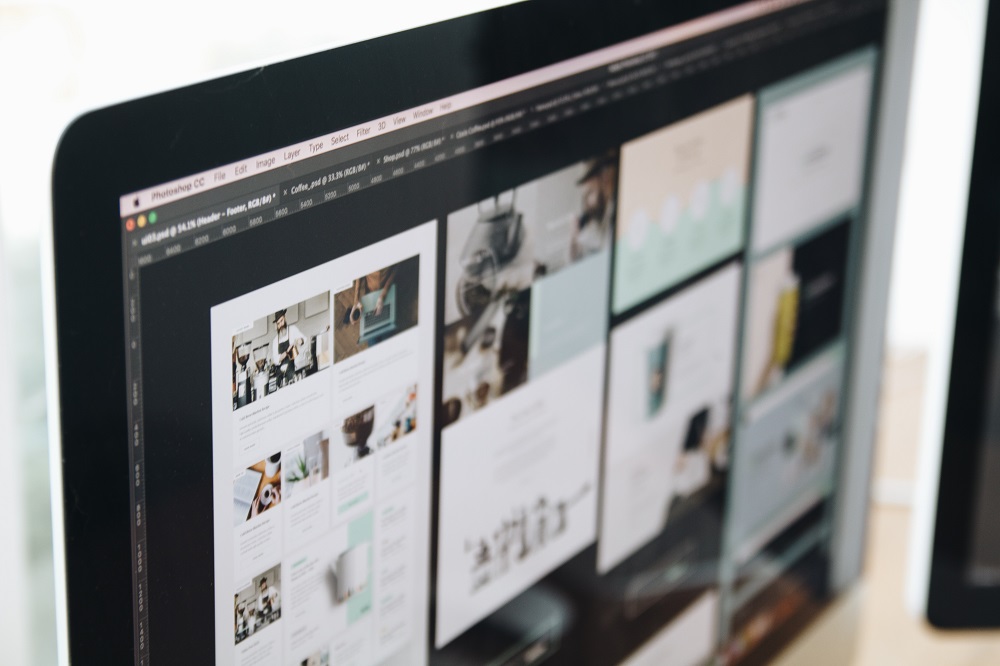

What are the benefits of great Web Design?

Photo by Mikael Blomkvist

Web design plays a crucial role in the success of any online venture, and investing in a well-designed website can bring numerous benefits to businesses and organizations. From improving user engagement to increasing conversions, great web design can have a profound impact on the success of a website.

One of the key benefits of great web design is improved user experience. A well-designed website should be user-friendly, accessible, and aesthetically pleasing, and it should make it easy for users to find the information they need, complete transactions, and access resources. A positive user experience can help increase user engagement and reduce bounce rates, which can lead to increased conversions and a higher return on investment (ROI).

Another benefit of great web design is increased brand recognition and credibility. A well-designed website can help establish a business or organization as a professional and trustworthy entity, which can be critical in building brand recognition and credibility. A great web design can help to reinforce the brand’s overall marketing strategy and messaging, and it can help to set the business apart from its competitors.

In addition to improving brand recognition and credibility, great web design can also improve search engine visibility. Search engines like Google take numerous factors into consideration when ranking websites, and great web design can have a positive impact on search engine rankings. A well-designed website should be optimized for search engines, with a focus on keyword-rich content, meta descriptions, and clean, organized code.

Another benefit of great web design is increased conversions. A well-designed website should be optimized for conversions, with a focus on clear calls-to-action (CTAs) and user-friendly checkout processes. A great web design can help to make it easier for users to complete transactions, which can lead to increased conversions and a higher ROI.

One of the other benefits of great web design is improved accessibility. A well-designed website should be accessible to all users, including those with disabilities. This includes incorporating accessibility features such as high-contrast color schemes, alternative text for images, and keyboard-friendly navigation. Improving accessibility can not only help to ensure that a website is inclusive, but it can also help to improve the user experience for all users.

Another benefit of great web design is the ability to provide a seamless and engaging multimedia experience. A well-designed website should incorporate multimedia elements such as images, videos, and audio in a way that enhances the user experience rather than detracting from it. This can help to bring a website to life and make it more engaging and interactive for users.

Furthermore, great web design also helps businesses and organizations to stay ahead of the competition. In today’s digital landscape, having a professional and well-designed website is increasingly becoming a necessity, rather than a luxury. By investing in great web design, businesses and organizations can stay ahead of their competitors and remain competitive in their respective industries.

Another benefit of great web design is increased flexibility and scalability. A well-designed website should be flexible and scalable, making it easy to update and modify as the business or organization evolves. This can help to ensure that the website continues to meet the needs of the business or organization over time and can reduce the need for costly redesigns in the future.

In addition to increased flexibility and scalability, great web design can also help to drive online visibility and traffic. By optimizing the website for search engines and incorporating keywords and meta descriptions, a well-designed website can help to drive online visibility and increase traffic from search engines like Google. This can be critical in driving leads, sales, and overall business growth.

Another benefit of great web design is the ability to target specific audiences and demographics. By incorporating demographic and user data into the design process, web designers can create a website that is tailored to the needs and preferences of specific audiences. This can help to increase user engagement, improve the user experience, and drive conversions.

Moreover, great web design can also help businesses and organizations to reach new markets and expand their customer base. By designing a website that is accessible and user-friendly, businesses and organizations can reach new markets and expand their customer base, which can be critical in driving business growth and increasing revenue.

Another benefit of great web design is the ability to generate leads and sales. A well-designed website should be optimized for conversions, with a focus on clear calls-to-action (CTAs) and user-friendly checkout processes. By making it easy for users to complete transactions, businesses and organizations can generate leads and sales, which can be critical in driving business growth and increasing revenue.

In addition to generating leads and sales, great web design can also help businesses and organizations to build and manage their online reputation. A well-designed website should be optimized for search engines, and it should be designed with the user in mind. By building and managing their online reputation, businesses and organizations can create a positive and lasting impression with potential customers and clients, which can be critical in building long-term relationships and driving repeat business.

Another benefit of great web design is the ability to measure and track website performance. By incorporating website analytics into the design process, businesses and organizations can measure and track website performance, which can be critical in making data-driven decisions and improving website performance over time.

Finally, great web design can help to build and strengthen relationships with customers and clients. A well-designed website should be designed with the customer in mind, and it should make it easy for customers to find the information they need, complete transactions, and access resources. By building and strengthening relationships with customers, businesses and organizations can create a loyal customer base and drive repeat business.

Great web design brings numerous benefits to businesses and organizations, from improved user experience and increased conversions to increased brand recognition and credibility. Whether you’re a business owner, marketer, or designer, it is important to understand the critical role that web design plays in the success of a website and to invest in a professional web design solution that meets your needs.


How Does Web Design Impact Digital Marketing?

Photo by Visual Tag Mx

Web design and digital marketing are two closely related fields that work hand in hand to create a seamless online experience for users. While digital marketing focuses on promoting a brand and its products or services, web design is responsible for creating an attractive and user-friendly website that will help to achieve those marketing goals. In this sense, web design can play a crucial role in digital marketing and its success.

A well-designed website can help to establish a brand’s online presence and make a strong first impression on visitors. A website that is easy to navigate, visually appealing and provides relevant information is more likely to keep visitors engaged and increase the likelihood of them becoming customers. On the other hand, a poorly designed website can drive visitors away, causing them to lose interest and trust in the brand.

Search Engine Optimization (SEO) is another area where web design can impact digital marketing. A website that is optimized for search engines will improve its chances of appearing higher in search engine results, making it easier for potential customers to find the brand online. Web design elements such as page structure, content organization, and keyword usage can all contribute to a website’s SEO ranking.

Another aspect of web design that can impact digital marketing is website speed. A slow-loading website can lead to higher bounce rates, which can negatively affect the website’s search engine ranking. Furthermore, visitors are more likely to become frustrated and leave a website that takes too long to load, reducing the chances of them becoming customers. On the other hand, a website with fast loading times and optimized performance can help to keep visitors engaged and increase the chances of them making a purchase.

Web design can also impact the overall user experience of a website. A user-friendly website with a clear and intuitive navigation system can help visitors to quickly find what they are looking for, increasing the chances of them becoming customers. Additionally, a website with a responsive design that works well on a variety of devices, including smartphones and tablets, can help to reach a wider audience and provide a better user experience for visitors.

Web design and digital marketing are two interrelated fields that are critical to the success of a business in today’s digital age. Web design refers to the creation of websites with the aim of providing an attractive, user-friendly, and functional platform for online businesses. Digital marketing, on the other hand, refers to the use of digital channels and techniques to promote a product or service.

A well-designed website can have a significant impact on digital marketing efforts and can greatly increase the chances of success. A website is often the first point of contact that a potential customer has with a business, and it is crucial that it makes a good first impression. A well-designed website that is visually appealing, easy to navigate, and provides a great user experience will help to build trust with potential customers and increase the likelihood of them making a purchase.

Good web design can also play a key role in search engine optimization (SEO), which is a critical aspect of digital marketing. A well-designed website that is optimized for search engines will rank higher in search results, making it easier for potential customers to find it. This can result in increased traffic to the website, which can ultimately lead to increased sales and revenue.

In addition to improving search engine rankings, a well-designed website can also help to improve the overall user experience. A website that is visually appealing and easy to navigate will encourage visitors to stay on the site for longer, increasing the chances of them making a purchase. A well-designed website can also help to establish a brand’s online presence and create a professional image, which is critical in today’s digital age where first impressions are everything.

Web design can also impact the overall marketing strategy by providing a platform for businesses to showcase their products and services. A well-designed website can provide an opportunity to highlight the unique selling points of a product or service, and can also provide a platform for businesses to engage with their target audience through social media, email marketing, and other digital channels.

Web design and digital marketing are two interrelated aspects of a successful online presence. A well-designed website not only provides a great user experience for visitors, but it also supports and enhances the efforts of a digital marketing campaign. The design of a website can impact the success of a digital marketing campaign in several ways.

Firstly, web design can impact the user experience. A website with good design will be easy to navigate, have clear calls-to-action, and provide relevant information in a visually appealing way. This will make it easier for users to find what they are looking for and engage with the website, which in turn can lead to increased conversion rates. A website with poor design, on the other hand, can be difficult to navigate and may discourage users from engaging with the website.

Secondly, web design can impact search engine optimization (SEO). A website with good design will be optimized for search engines, making it easier for search engines to crawl and index the site, which can lead to higher search engine rankings. A well-designed website will also be optimized for mobile devices, which is increasingly important as more users access the internet through their mobile devices.

Thirdly, web design can impact the credibility of a business. A well-designed website provides a professional appearance, which can increase trust in the business and its products or services. A poorly designed website, on the other hand, may indicate that the business is not serious about its online presence, which can lead to a loss of credibility and trust.

Web design plays a critical role in digital marketing by creating an attractive, user-friendly and well-optimized website that can help to achieve marketing goals and increase the chances of success. A well-designed website can help to establish a brand’s online presence, improve its search engine ranking, and provide a better user experience for visitors, all of which can contribute to the overall success of a brand’s digital marketing efforts.

What Is Web Design VS Graphic Design?

Photo by Tranmautritam

Web design and graphic design are two distinct but related fields that are often confused with one another. While both fields are concerned with creating visual and graphical elements for digital and print media, there are some key differences between the two.

Graphic design is the process of creating visual content for various mediums, including print, digital, and advertising. Graphic designers use various design tools, such as Adobe Illustrator, Photoshop, and InDesign, to create logos, brochures, business cards, and other visual elements. Graphic design is focused on creating visually appealing and aesthetically pleasing designs that can be used to convey a message or tell a story.

Web design, on the other hand, is specifically focused on designing and developing websites. Web designers use a variety of tools, including HTML, CSS, and JavaScript, to create dynamic, interactive, and responsive websites that are optimized for both desktop and mobile devices. Web design also involves the creation of user interfaces, site maps, and wireframes to ensure that the website is easy to navigate and use.

One of the key differences between web design and graphic design is the medium in which they are used. Graphic design is often used in print media, such as magazines, newspapers, and books, while web design is used to create websites and other digital media.

Another difference between the two is the type of skills required. While graphic designers need to have a strong understanding of color theory, typography, and composition, web designers must also have a strong understanding of coding and programming languages, as well as an understanding of user experience (UX) design and user interface (UI) design.

In addition, the end goal of web design and graphic design can also be different. Graphic design is often focused on creating visually appealing designs that can be used to convey a message or tell a story, while web design is focused on creating a functional, user-friendly, and accessible website that meets the needs of the target audience.

It’s also worth noting that some designers specialize in both web design and graphic design, while others may focus solely on one or the other. Some designers may even specialize in a specific aspect of web design, such as front-end development or UX design.

Web design and graphic design are two separate but related fields in the world of digital design. While they share some similarities, they are also distinct in their own ways.

Graphic design is a broader field that encompasses many different types of design, including web design. Graphic designers create visual content for a variety of mediums, including print materials, logos, packaging, and advertising. They focus on creating aesthetically pleasing designs that communicate a specific message.

Web design, on the other hand, is a specific type of graphic design that focuses on creating user-friendly and functional websites. Web designers must consider factors such as website navigation, layout, and functionality to create a website that is both visually appealing and easy to use. They also need to take into account the technical aspects of website design, such as coding and web development.

Another key difference between web design and graphic design is the medium in which they work. Web designers work primarily on digital platforms, while graphic designers may work in a variety of mediums, including print materials and even 3D design.

In terms of skills and tools, web designers must have a strong understanding of HTML, CSS, and JavaScript, as well as graphic design software such as Adobe Photoshop and Illustrator. Graphic designers may also use these tools, but may also use other mediums and techniques, such as hand drawing or 3D modeling.

Additionally, the audience for web design and graphic design is different. Web designers create websites that are meant to be viewed on a variety of devices, including desktop computers, laptops, and mobile devices. Graphic designers create designs that may be viewed in print or on a computer screen, but their audience is typically more limited. Web designers must take into account the different screen sizes and resolutions that their audience may be using, and create websites that are optimized for each of these.

Another factor to consider is the level of interactivity. Web design allows for much more interactivity than graphic design, as websites can include interactive elements such as buttons, forms, and animations. Graphic design, on the other hand, is typically a more static form of design, with limited interactivity.

When it comes to the creative process, web design and graphic design also have some differences. Web designers must consider the functionality of their designs, and how they will be implemented on a website. This means that they need to have a solid understanding of the technical aspects of website design, such as coding and web development. Graphic designers, on the other hand, may have more freedom to focus purely on the aesthetic aspects of their designs.

Another key difference between web design and graphic design is the level of specialization required. Web design is a highly specialized field that requires a strong understanding of the technical aspects of website design, as well as an eye for aesthetics. Graphic design, on the other hand, is a more broad field that can encompass many different types of design, from print design to branding.

In terms of tools and software, web design and graphic design also have some differences. Web designers typically use software such as Adobe Dreamweaver, Sketch, or Figma to create their designs, while graphic designers may use Adobe Illustrator, Photoshop, or InDesign. It is important for anyone entering the field of digital design to understand the different software and tools available, and to choose the ones that are most relevant to their specific career goals.

In conclusion, while web design and graphic design share some similarities, they are two distinct fields with their own unique sets of skills, tools, and goals. Whether you’re looking to become a web designer, graphic designer, or a specialist in one aspect of either field, it’s important to understand the key differences between the two so that you can make an informed decision about your career path.

What Are The Advantages Of A Well Planned Web Design?

Photo by Michael Burrows

A well-planned web design can bring numerous benefits to a business or organization. Here are some of the key advantages of a well-designed website:

Improved User Experience: A well-designed website should be intuitive, easy to navigate, and provide a positive user experience. This can help to keep visitors on your site for longer, leading to increased engagement and potential conversions.

Increased Credibility: A professional-looking website can help to build trust with potential customers and increase your credibility as a business. A well-designed website can demonstrate your commitment to quality and professionalism.

Improved Search Engine Optimization: A well-designed website can help to improve your search engine optimization (SEO) efforts, making it easier for people to find your site through search engines like Google. A well-designed site can also help to improve the user experience, which is a key factor in determining your search engine rankings.

Increased Brand Awareness: A well-designed website can help to increase brand awareness and reach a wider audience. A strong online presence can help to establish your brand as a leader in your industry and make it easier for people to find and remember your business.

Increased Engagement: A well-designed website can help to increase engagement with your target audience. This can include increased social media engagement, increased email sign-ups, and increased comments on your blog.

Increased Conversions: A well-designed website can help to increase conversions and sales. A clear, easy-to-use site can help to make it easier for visitors to take the desired action, whether it is making a purchase, filling out a form, or signing up for a newsletter.

Better Mobile Experience: With the growing use of smartphones and other mobile devices, it’s important to have a website that is optimized for mobile. A well-designed website should be responsive and provide a great user experience on all devices.

Increased Accessibility: A well-designed website can help to make your site more accessible to a wider range of users, including those with disabilities. This can include features like alternative text for images, larger text sizes, and keyboard navigation.

Improved Analytics: A well-designed website can help to provide better analytics and insights into how users are interacting with your site. This can help you to make data-driven decisions and improve your website over time.

Increased Return on Investment: A well-designed website can help to increase your return on investment (ROI) by improving your search engine rankings, increasing conversions, and reducing bounce rates. This can help you to see a greater return on your investment in your website and online marketing efforts.

Having a well-planned web design has several advantages that can benefit your business. A well-designed website can help you create a strong online presence, attract more visitors, and increase engagement with your target audience. Here are some of the key benefits of a well-planned web design:

Strong brand image: A well-designed website can help you establish a strong brand image. Your website is often the first thing that potential customers will see when they search for your business online, so it’s important to make a good first impression. A professional website design can help you convey your brand message, values, and mission to your target audience.

Improved user experience: A well-designed website should be user-friendly and easy to navigate. This can help improve the overall user experience and encourage visitors to stay on your site for longer. A good web design should be intuitive and make it easy for users to find what they are looking for, whether that’s information about your products or services, or a way to contact you.

Increased website traffic: A well-designed website can also help you attract more traffic to your site. A well-designed site will be optimized for search engines, which can help you rank higher in search results and reach more potential customers. A good web design can also help you increase your online visibility, making it easier for people to find your business online.

Improved customer engagement: A well-designed website can also help you increase customer engagement. A good web design can help you create a website that is visually appealing and engaging, which can encourage visitors to interact with your site. This can include filling out forms, leaving comments, or making a purchase.

Better conversion rates: A well-designed website can also help you improve your conversion rates. A well-designed website can help you create a site that is optimized for conversions, making it easier for visitors to take the desired action, such as making a purchase or signing up for your email list. A good web design can also help you increase trust and credibility with your visitors, which can help increase conversions.

In addition to the benefits already mentioned, a well-designed website can also improve your search engine optimization (SEO) efforts. A good website design should be optimized for search engines, with elements such as meta descriptions, header tags, and keyword-rich content included to improve your search engine rankings. This can help drive more traffic to your site and increase your visibility online.

Another advantage of a well-designed website is that it can help you establish credibility and trust with your target audience. A professional-looking website can give your visitors the confidence they need to engage with your business and make a purchase. A well-designed website should also be easy to navigate, with clear and concise information about your products and services, which can help visitors find what they are looking for quickly and easily.

Moreover, a well-designed website can also help you increase conversions and sales. A good website design should be optimized for conversion, with elements such as clear calls to action, easy-to-use forms, and optimized checkout processes included to help increase the number of conversions on your site. A well-designed website should also be easy to use, with a clear and intuitive navigation structure that makes it easy for visitors to find what they are looking for and make a purchase.

A well-designed website can bring numerous benefits to a business or organization. From improving the user experience to increasing conversions, a well-designed site can help to achieve your business goals and drive success. It’s important to work with a professional web designer to ensure that your website is designed to meet your specific needs and to provide the best possible experience for your target audience.

How Do You Leverage Web Design To Make Your Business Standout?

Photo by Antoni Shkraba

In today’s digital age, having a strong online presence is essential for the success of any business. A well-designed website not only helps establish your brand and credibility, but it can also be a powerful marketing tool that can help you reach and engage with your target audience. The key to leveraging web design to make your business stand out is to understand how to use design elements, functionality, and content to create a website that effectively communicates your brand and value proposition to your target audience.

Here are some tips for leveraging web design to make your business stand out:

1. Define your brand and value proposition. Before you begin the web design process, it is important to have a clear understanding of your brand and the value you offer to your target audience. This will help guide your design choices and ensure that your website effectively communicates your brand and value proposition.

2. Create a user-centered design. A user-centered design approach focuses on creating a website that is easy to use and provides a great user experience. This can be achieved by using clear and simple navigation, designing for accessibility, and incorporating features such as responsive design and fast page load times.

3. Make use of visual elements. Visual elements such as color, typography, and imagery play an important role in creating a website that stands out. By carefully selecting and using these elements, you can create a unique and memorable visual identity that helps your brand stand out and makes a strong impression on your target audience.

4. Leverage the power of storytelling. A great website tells a story and engages the user. By incorporating storytelling elements into your website design, you can create an emotional connection with your audience and help them understand and remember your brand and value proposition.

5. Utilize high-quality, relevant content. High-quality content that is relevant to your target audience is a powerful tool for attracting and engaging visitors. When designing your website, be sure to incorporate a content strategy that focuses on creating and sharing content that is valuable and relevant to your target audience.

6. Focus on functionality. A great website is not just aesthetically pleasing, but it is also functional and easy to use. When designing your website, be sure to consider the user experience and include features that make it easy for visitors to find the information they need and take the desired action.

7. Make use of data and analytics. Data and analytics can provide valuable insights into the performance of your website and the behavior of your target audience. By leveraging data and analytics, you can make informed design decisions and continuously improve the user experience and performance of your website.

8. Stay up-to-date with design trends. The design landscape is constantly evolving, and it is important to stay up-to-date with the latest design trends and best practices. By staying informed and incorporating new design elements and techniques into your website, you can ensure that your website remains fresh and relevant and continues to stand out in an increasingly crowded online landscape.

The key to leveraging web design to make your business standout is to create a unique and memorable online presence that effectively communicates your brand’s values, personality, and mission. Here are some tips to help you achieve this goal:

1. Know your target audience: Before you start designing your website, it’s important to have a clear understanding of who your target audience is. This includes their demographic information, interests, and pain points. This information will help guide the design process and ensure that your website resonates with your target audience.

2. Define your brand: Your website should accurately reflect your brand’s personality, values, and mission. This includes choosing the right color scheme, font, and imagery that accurately represents your brand. Your website should also have a consistent look and feel throughout, including all of your social media platforms.

3. Make it easy to navigate: The user experience is key to the success of your website. Your website should be easy to navigate, with a clear hierarchy and logical structure. The menu should be intuitive and the content should be organized in a way that makes sense to the user.

4. Optimize for mobile: With more and more people accessing the internet on their mobile devices, it’s important to make sure your website is optimized for these devices. This means that your website should be responsive, meaning that it adjusts to the size of the device it is being viewed on.

5. Use high-quality visuals: Visuals are a key component of web design, and they can help to make your website stand out. High-quality images and videos can help to engage your visitors and bring your brand’s story to life.

6. Invest in SEO: Search engine optimization (SEO) is essential for making your website visible to your target audience. This involves using keywords, meta tags, and other techniques to improve your website’s ranking on search engines like Google.

7. Keep it simple: A clean, minimalist design can help to make your website look modern and professional. Avoid clutter and keep the focus on your content.

8. Incorporate animations and micro-interactions: Small animations and micro-interactions can help to make your website feel more dynamic and engaging. For example, you could use animations to highlight important content or to guide the user through the website.

9. Pay attention to typography: Typography is an important aspect of web design and can help to set the tone for your website. Choose a font that is legible and appropriate for your brand.

10. Make it easy to contact you: Your website should make it easy for visitors to contact you, whether through a contact form, email, or phone. This can help to build trust and credibility with your target audience.

Leveraging web design to make your business stand out requires a deep understanding of your brand, target audience, and the online landscape. By incorporating these tips into your web design process, you can create a website that effectively communicates your brand and value proposition, engages your target audience, and helps your business stand out in an increasingly crowded online landscape.

How Long Does It Take To Make A Great Web Design?

Photo by Tranmautritam:

The time it takes to create a great web design can vary greatly depending on several factors. Some of the most important factors that impact the timeline for creating a great web design include:

The scope of the project: The size and complexity of your website design project will have a major impact on the timeline. A simple brochure-style website with a few pages and basic features will typically take less time to design than a large e-commerce site with complex functionalities and custom features.

The design team: The size and experience of your design team will also impact the timeline for your web design project. A large team with a lot of experience and expertise may be able to complete your project more quickly than a small team with limited experience.

The design process: The design process can also impact the timeline for your web design project. Some design teams may use a more streamlined process that allows them to complete projects more quickly, while others may use a more thorough and detailed process that takes longer.

The budget: The budget for your web design project will also play a role in determining the timeline. A larger budget can allow for more resources to be dedicated to the project, which may speed up the timeline, while a smaller budget may require the design team to work more efficiently to stay within budget constraints.

With these factors in mind, it is difficult to give a specific timeline for creating a great web design. However, as a general rule, a simple brochure-style website can typically be designed in 4-6 weeks, while a more complex e-commerce site can take anywhere from 8-12 weeks or more.

It is important to keep in mind that the timeline for creating a great web design is just one aspect of the overall web design process. Other important factors include the quality of the design, the user experience, the functionality and performance of the site, and the overall success of the project.

Additionally, it is important to understand that the timeline for creating a great web design is just the start of the journey. After the design is complete, there will be several additional steps that must be taken to ensure the success of your website, including:

Development and testing: After the design is complete, it must be developed into a functional website. This process can take several weeks or even months, depending on the complexity of the site. Once the development is complete, the site must be thoroughly tested to ensure that all of the features and functionality are working as intended.

Content creation: Creating content for your website is another important step in the process. This may include writing and editing text, creating images and graphics, and developing multimedia content like videos and podcasts.

Search engine optimization (SEO): To ensure that your website is easily discoverable by your target audience, it is important to optimize your site for search engines. This includes researching and targeting keywords, creating meta tags and descriptions, and ensuring that the site is easily navigable and well-structured.

Marketing and promotion: Once your site is live, it is important to promote it to your target audience. This may include advertising, content marketing, social media marketing, and other forms of online marketing.

Maintenance and updates: Finally, it is important to keep your website up-to-date and well-maintained. This may include regular software updates, security patches, and ongoing content updates to keep your site fresh and engaging for your audience.

Finally, it is also important to understand that web design is an iterative process. While the initial design may take several weeks or even months to complete, it is not uncommon for changes to be made to the site in the months and years following its launch. This is because the online landscape is constantly evolving, and your website must evolve with it.

For example, as new technologies emerge, you may need to make changes to your site to take advantage of these new tools and capabilities. You may also need to update your site to reflect changes in your business, such as new products or services, changes to your target audience, or shifts in your marketing and promotional strategies.

To ensure that your website continues to meet your needs and remain effective over time, it is important to work with a web design team that is willing to partner with you and provide ongoing support and maintenance services. This may include regular site updates, security and software upgrades, and ongoing marketing and promotional support.

It is also worth mentioning the role of responsive web design in today’s digital landscape. With the increasing use of mobile devices and varying screen sizes, it is essential for websites to be designed in a way that adjusts to the user’s device and screen size. This not only enhances the user experience, but it can also improve the website’s search engine optimization (SEO) and overall performance.

Another important factor to consider is the website’s accessibility. Ensuring that the website is accessible to users with disabilities is not only a legal requirement, but it also increases the potential reach of your website and enhances the user experience for everyone. A good web design team should be familiar with accessibility standards and guidelines and incorporate them into the design process.

It is important to understand the importance of web hosting. A website’s hosting service is the foundation that supports and powers the website, and choosing the right hosting service can greatly impact the website’s performance, security, and overall success.

The timeline for creating a great web design can vary greatly depending on several factors, including the scope of the project, the design team, the design process, and the budget. While it is difficult to give a specific timeline, a simple brochure-style website can typically be designed in 4-6 weeks, while a more complex e-commerce site can take anywhere from 8-12 weeks or more. To ensure the success of your web design project, it is important to work with a professional design team, set clear goals and expectations, and communicate regularly throughout the process.

What is Most Important for a Successful Website Design?

Photo by Tranmautritam

Website design plays a crucial role in the success of any online business or organization. A well-designed website can help to attract and retain customers, build trust, and establish a strong online presence. On the other hand, a poorly designed website can hurt your brand and drive potential customers away. With so many factors to consider, it can be difficult to determine what is most important for a successful website design. In this article, we will explore some of the key elements that are critical to the success of any website.

User Experience (UX) – User experience is one of the most important aspects of website design. A website that is easy to navigate, visually appealing, and provides a seamless user experience can significantly impact the success of your website. The user experience should be intuitive and straightforward, with clear calls to action, easy-to-use forms, and a fast load time. A website that is difficult to navigate, slow to load, or provides a poor user experience can turn away potential customers and hurt your brand.

Mobile-Friendliness – With the increasing number of people accessing the internet through mobile devices, it is crucial that your website is optimized for mobile. A mobile-friendly website should have a responsive design that automatically adjusts to different screen sizes and provides a seamless experience on all devices. Mobile optimization is also critical for search engine optimization (SEO) as search engines now prioritize mobile-friendly websites in their results.

Aesthetics – Aesthetics are also an important factor in website design. Your website should have a visually appealing design that reflects your brand and appeals to your target audience. This includes using appropriate colors, fonts, images, and graphics that are consistent with your brand and messaging. The design should also be clean, uncluttered, and easy to navigate.

Content – Content is king when it comes to website design. Your website should have high-quality, relevant, and engaging content that provides value to your target audience. This includes text, images, videos, and other multimedia elements that are designed to educate and inform your audience. The content should also be regularly updated to keep it fresh and relevant.

Functionality – Functionality is also critical to the success of your website. Your website should have the necessary functionality to meet your specific needs and goals. This includes the ability to accept online payments, provide information and support to your target audience, and integrate with other online tools and platforms. The functionality should also be easy to use and accessible from every page on your site.

Search Engine Optimization (SEO) – SEO is critical to the success of your website as it helps to increase visibility and drive traffic to your site. A website that is optimized for search engines should have effective SEO strategies, such as keyword optimization, meta descriptions, and header tags. It should also be mobile-friendly, accessible, and fast-loading to ensure that search engines prioritize it in their results.

Accessibility – Accessibility is also important for a successful website design. Your website should be accessible to all users, including those with disabilities, and it should meet the accessibility standards set by the World Wide Web Consortium (W3C). This includes using clear and concise language, providing alternative text for images, and using design and development practices that ensure that your website is accessible to users with a wide range of abilities and disabilities.

A successful website design requires a combination of several critical elements, including user experience, mobile-friendliness, aesthetics, content, functionality, SEO, and accessibility. By focusing on these elements and working with a professional web design and development team, you can create a website that is effective, engaging, and optimized for success. Whether you are looking to establish an online presence, increase your customer base, or build your brand, a well-designed website is essential. By understanding the most important elements of a successful website, you can make informed decisions and take the necessary steps to achieve your goals.

It is also important to note that website design is an ongoing process, and your website should be regularly updated and optimized to keep it relevant and effective. This includes monitoring website traffic, user behavior, and feedback, and making necessary changes to improve the user experience and achieve your goals.

In addition to these key elements, it is also important to have a clear call-to-action on your website. This means providing clear and concise directions for what you want your visitors to do, whether that be filling out a form, making a purchase, or simply contacting you for more information. A clear call-to-action can help to increase conversions and drive results for your business.

Another important aspect of website design is website speed. A slow-loading website can be a major turn-off for visitors, and can negatively impact your search engine rankings. To ensure that your website loads quickly, you should optimize your images, use a fast web hosting service, and minimize the use of large, heavy multimedia elements like videos and high-resolution images.

Finally, it is also important to keep your website design simple and clean. Avoid clutter, confusing navigation, and excessive use of pop-ups and other distractions. Instead, focus on creating a clean, easy-to-use website that is easy to navigate and provides a positive user experience.

The most important aspect of a successful website design is understanding your target audience and the goals that you want to achieve with your website. By focusing on the elements of user experience, mobile-friendliness, aesthetics, content, functionality, SEO, and accessibility, you can create a website that is both effective and engaging, and provides a positive user experience for your target audience.

What are the Elements of a Good Website?

Photo by Flo Dahm

A good website is an essential component of any successful online presence, and it is important to understand the elements that make up a good website in order to ensure your website is effective and engaging. The following are some of the key elements of a good website:

1. Purpose and goals

The first and most important element of a good website is a clear understanding of its purpose and goals. A well-designed website should be designed with a clear understanding of what you want to achieve, whether it is to increase brand recognition, drive traffic and conversions, or provide information to your target audience. Knowing the purpose and goals of your website will help you make informed design decisions and ensure that your website is effective and engaging.

2. Navigation

Navigation is an essential component of a good website, and it should be intuitive, easy to use, and easy to understand. A well-designed website should have a clear and organized navigation structure that makes it easy for users to find the information they are looking for. Navigation should be consistent throughout the website, and it should be easy to access from every page on the website.

3. Content

Content is the foundation of a good website, and it should be engaging, relevant, and up-to-date. A well-designed website should have high-quality, well-written content that provides value to your target audience and helps you achieve your goals. Content should be well-organized and easy to read, and it should be optimized for search engines to improve your visibility and drive more traffic to your website.

4. Design

Design is an essential component of a good website, and it should be visually appealing, professional, and consistent. A well-designed website should have a clean and professional layout that is easy on the eyes, and it should use color, typography, and imagery effectively to create a cohesive and engaging design. Design should also be responsive, meaning that it should be optimized for different screen sizes and devices, including desktops, laptops, smartphones, and tablets.

5. Functionality

Functionality is another important element of a good website, and it should be intuitive, easy to use, and effective. A well-designed website should have the necessary functionality to achieve your goals, whether it is to drive traffic and conversions, provide information, or support other objectives. Functionality should be well-designed and easy to use, and it should work seamlessly with the design and content of your website.

6. User experience

User experience is an essential component of a good website, and it should be intuitive, easy to use, and engaging. A well-designed website should provide a positive user experience that encourages users to engage with your website, and it should be designed with the user in mind. User experience should be consistent throughout the website, and it should be optimized for different devices and screen sizes to ensure that users have a positive experience regardless of the device they are using.

7. Accessibility

Accessibility is another important element of a good website, and it should be designed to be accessible to everyone, including people with disabilities. A well-designed website should be designed with accessibility in mind, and it should be optimized for screen readers and other assistive technologies to ensure that everyone can access and use your website.

8. Search engine optimization

Search engine optimization (SEO) is an essential component of a good website, and it should be designed to improve your visibility in search engines and drive more traffic to your website. A well-designed website should be optimized for search engines, and it should include elements such as keywords, meta descriptions, and alt text to improve your visibility and drive more traffic to your website.

In order to create a good website, it is important to work with a professional web designer or development team who can help you understand the different elements of a good website and ensure that your website is designed and developed to meet your specific needs and goals. This includes working with a team that can help you determine the purpose and goals of your website, create engaging and relevant content, develop a visually appealing and professional design, ensure the functionality and user experience of your website are optimized, and implement effective search engine optimization strategies.

By understanding the elements of a good website and working with a professional web design and development team, you can ensure that your website is effective, engaging, and optimized for success. Whether your goal is to drive traffic and conversions, provide information to your target audience, or support other objectives, a good website is an essential component of any successful online presence.

One of the key elements of a good website is clear and effective navigation. Navigation is the system that allows users to find the information they need on your website, and it should be intuitive, easy to use, and accessible from every page on your site. This includes having a clear menu structure, well-labeled sections, and links that are easily visible and accessible.

Another important element of a good website is high-quality content that is relevant to your target audience. Content is king when it comes to websites, and your website should provide valuable and engaging information that is useful to your target audience. This includes a mix of text, images, videos, and other multimedia elements that are designed to educate and inform your audience, and it should be regularly updated to ensure that it remains relevant and engaging.

Visually appealing and professional design is another critical element of a good website. Your website should have a design that is visually appealing, professional, and consistent with your brand and messaging. This includes using colors, fonts, and images that are appropriate for your brand and target audience, as well as ensuring that your website is easy to read and navigate.

A good website is essential for the success of any online presence, and it is important to understand the elements that make up a good website in order to ensure that your website is effective and engaging. A good website should have a clear purpose and goals, intuitive navigation, high-quality content, a visually appealing and professional design, necessary functionality, a positive user experience, accessibility for all users, and optimized for search engines.

What Are the Different Stages of Web Design?

Photo by Caio

The process of designing a website can be broken down into several distinct stages, each of which plays a critical role in creating a high-quality and effective website. These stages are:

1. Planning

The planning stage is the first step in the web design process, and it is where you determine your goals and objectives for the website, conduct research to understand your target audience, and define the scope and requirements for the project. During this stage, you should also determine your budget and timeline for the project, as well as identify any technical limitations or requirements for the website.

2. Design

The design stage is where you create the visual and graphical elements of the website, including the layout, color scheme, typography, and images. During this stage, you should also develop the overall look and feel of the website, and create wireframes or prototypes to visualize how the website will look and function.

3. Development

The development stage is where the website is actually built and coded, using a variety of programming languages and technologies. During this stage, you will implement the design elements created in the previous stage, and add in any necessary functionality, such as e-commerce capabilities, forms, or interactive elements.

4. Testing and QA

The testing and quality assurance stage is where you test the website to ensure that it is functioning properly and meets all of the requirements defined in the planning stage. During this stage, you should also address any bugs or glitches that are discovered, and make any necessary changes or updates to the website.

5. Launch

The launch stage is where the website is made live and accessible to the public. During this stage, you should also promote the website and make any final tweaks or updates to ensure that it is functioning optimally.

6. Maintenance

The maintenance stage is an ongoing process, where you monitor and update the website to keep it functioning properly and up-to-date. This may include adding new content, fixing bugs, or making design updates, as well as ensuring that the website is secure and protected against potential threats.

Each of these stages is critical to the success of your website, and it is important to take the time to thoroughly complete each stage to ensure that your website is effective, functional, and visually appealing. By following this process, you can create a website that meets your goals and objectives, appeals to your target audience, and is optimized for success.

It is also important to note that the web design process can be iterative, meaning that you may go back and forth between stages or make changes to previous stages as needed. For example, you may discover during the testing and QA stage that certain elements of the website need to be redesigned or modified, and you may need to go back to the design stage to make these changes.

Additionally, it is important to work with a team of professionals, including web designers, developers, and testers, to ensure that each stage of the web design process is completed to the highest standards. These professionals bring a wealth of experience and expertise to the table, and they can help you create a website that is both functional and visually appealing.

It is also worth mentioning that technology is constantly evolving, and new tools and technologies are emerging all the time. As a result, it is important to stay up-to-date on the latest trends and advancements in web design, and to continuously evaluate and improve your website to ensure that it remains effective and relevant.

Another important factor to consider is search engine optimization (SEO). SEO is the process of optimizing your website to rank higher in search engine results, and it is a critical component of the web design process. By optimizing your website for search engines, you can increase your visibility, drive more traffic to your site, and improve your chances of success.

Additionally, it is important to understand the target audience for your website. This includes considering factors such as age, location, interests, and behavior patterns, as well as what they are looking for in a website. By understanding your target audience, you can create a website that is tailored to their specific needs and preferences, and that will help you build a strong and lasting relationship with them.

Another important aspect of web design is user experience (UX). UX refers to the overall experience that a user has when interacting with your website, and it is a crucial factor in determining the success of your website. A well-designed website should be easy to navigate, intuitive, and provide a positive user experience, which will help increase engagement, reduce bounce rates, and ultimately drive more conversions.

Another important aspect of web design is accessibility. This refers to the ability of people with disabilities to use and navigate your website. A website that is accessible is not only inclusive and respectful to all users, but it also has practical benefits, such as increased user engagement, improved search engine optimization, and increased legal compliance.

In addition to accessibility, it is important to consider mobile responsiveness. With more and more people using smartphones and other mobile devices to access the internet, it is essential that your website is optimized for these devices. A mobile-responsive website will ensure that your website is easily accessible and usable on any device, and it will help you reach a wider audience and improve user engagement.

Finally, it is important to remember that web design is a constantly evolving field, and that there are always new trends, techniques, and technologies emerging. As a result, it is important to stay up-to-date on the latest developments in web design, and to continuously evaluate and improve your website to ensure that it remains effective and relevant.

The web design process is a multi-step process that involves several distinct stages, including planning, design, development, testing and QA, launch, and maintenance. By following this process, you can ensure that your website is effective, functional, and visually appealing, and that it meets your goals and objectives. By taking the time to thoroughly complete each stage of the web design process, you can create a website that is optimized for success and that will help you achieve your goals and objectives for your online presence.

What are the Different Types of Web Design?

Photo by energepic.com

Web design is a complex and constantly evolving field that encompasses a wide range of styles, techniques, and approaches. From minimalist designs to complex and interactive experiences, there are many different types of web design that can be used to create a website. Here are some of the most common types of web design:

1. Static Web Design

Static web design is the simplest form of web design and is often used for small personal websites or informational sites. Static websites are designed using HTML and CSS and are not designed to change dynamically. Instead, they are designed to be a fixed representation of a website that is displayed exactly the same way to every visitor.

2. Dynamic Web Design

Dynamic web design is a more advanced form of web design that uses server-side scripting languages such as PHP, Python, or Ruby to create websites that can change dynamically based on user interactions or other inputs. Dynamic websites are designed to be more flexible and dynamic, and they can be used to create interactive experiences, e-commerce sites, and other more complex websites.

3. Responsive Web Design

Responsive web design is a type of web design that is optimized for different devices, including desktops, laptops, tablets, and smartphones. Responsive web design uses CSS and other technologies to create a website that automatically adjusts its layout and content to fit the screen size and resolution of the device it is being viewed on.

4, Parallax Web Design

Parallax web design is a type of web design that uses the illusion of depth to create a visually engaging and immersive experience. Parallax web design uses CSS and JavaScript to create websites that have multiple layers of content that move at different speeds, creating a sense of depth and movement.

5. Material Design

Material design is a type of web design that is inspired by the principles of material design used in Google’s Android operating system. Material design uses bold, bright colors, and simple, clean lines to create a visually engaging and modern design.

6. Minimalist Web Design

Minimalist web design is a type of web design that focuses on simplicity and minimalism, using clean lines, simple typography, and neutral colors to create a clean, uncluttered design. Minimalist web design is often used to create websites that are focused on delivering content in a clear and concise manner.

7. Microinteractions Web Design

Microinteractions web design is a type of web design that focuses on the small details and interactions that make up a website. Microinteractions web design uses animations, hover effects, and other small details to create a more engaging and interactive experience.

8. Card-Based Web Design

Card-based web design is a type of web design that uses cards to present content in a visually appealing and easy-to-understand manner. Card-based web design is often used for e-commerce sites, social media sites, and other websites that need to present a large amount of information in a visually appealing way.

These are just a few of the many types of web design that are available. The type of web design that is best for your website will depend on the type of website you are creating, your target audience, and your overall goals.

In addition to the different types of web design mentioned above, there are also several other key elements that are important for great web design. These elements include:

1. User Experience (UX)

User experience is an important part of web design, as it refers to how easy and enjoyable it is for users to interact with a website. Great web design should prioritize user experience, making it easy for users to find what they are looking for, navigate the site, and complete tasks.

2. Content

Content is also an important part of web design, as it is the foundation of your website. Great web design should prioritize content, making it easy to read and understand, while also presenting it in a visually appealing way.

3. Navigation

Navigation is another key element of web design, as it allows users to move around your website and find what they are looking for. Great web design should prioritize navigation, making it easy for users to find what they are looking for and move around the site with ease.

4. Branding

Branding is an important part of web design, as it helps to create a consistent and recognizable visual identity for your website. Great web design should prioritize branding, ensuring that your website’s design is consistent with your overall brand and that it helps to reinforce your brand’s visual identity.

5. Accessibility

Accessibility is an important part of web design, as it refers to the ability of users with disabilities to access and interact with your website. Great web design should prioritize accessibility, ensuring that your website is accessible to all users, regardless of their abilities.

6. Performance

Performance is also an important part of web design, as it refers to how quickly and smoothly your website loads and performs. Great web design should prioritize performance, ensuring that your website loads quickly and performs well, even on slow internet connections.

These elements are all important components of great web design, and by considering them when designing your website, you can create a website that is visually appealing, easy to use, and optimized for your specific needs and goals.

The different types of web design offer a wide range of options for businesses and organizations looking to create a website. From static web design to responsive web design, and from minimalist web design to microinteractions web design, there is a type of web design that is right for every website. Understanding the different types of web design can help you to choose the right type of design for your website and to create a website that is optimized for your specific needs and goals.